


12 Aug What to Expect During Your First Reflexology near me Treatment: A Guide for New Clients
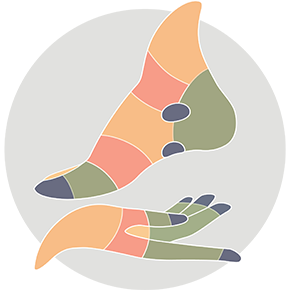
Embarking on your first reflexology session can be both exciting and a bit daunting if you’re not sure what to expect. Reflexology is a therapeutic practice that involves applying pressure to specific points on the feet, hands, and ears, which correspond to different organs and systems in the body.
This holistic approach aims to promote relaxation, improve circulation, and support overall well-being. Here’s a comprehensive guide to help new clients know what to expect during their first reflexology treatment.
1. Initial Consultation and Assessment
Your first reflexology session will typically begin with a brief consultation. The reflexologist will ask about your health history, any specific concerns or conditions you have, and your goals for the treatment. This is an excellent time to ask any questions you might have about the process. The reflexologist will use this information to tailor the session to your needs, ensuring the treatment is as effective and comfortable as possible. This initial assessment helps the practitioner understand your individual requirements and allows them to focus on areas that need the most attention.
2. Creating a Relaxing Environment
Once the consultation is complete, the reflexologist will lead you to a comfortable treatment area. Reflexology sessions are usually conducted in a quiet, calming environment with soft lighting and soothing music to help you relax. The treatment area may have a reclining chair or a massage table where you can sit or lie down comfortably. Creating a serene atmosphere is crucial as it helps your body enter a state of relaxation, making the treatment more effective.
3. Foot Examination and Cleansing
Before the reflexology treatment begins, the reflexologist will examine your feet for any signs of injury, infection, or other conditions that might affect the session. They will also cleanse your feet to ensure they are clean and ready for treatment. This step is important for both hygiene and to help you start relaxing before the pressure points are worked on. The examination also helps the reflexologist identify any specific issues that may need to be addressed during the session.
4. Pressure Application and Techniques
During the session, the reflexologist will use their hands, fingers, and thumbs to apply pressure to specific points on your feet, hands, or ears. These points are believed to correspond to different organs and systems within your body. The pressure applied can vary from light to firm, depending on your comfort level and the reflexologist’s assessment of your needs. Some areas might feel tender or sore, especially if they correspond to parts of your body that are out of balance. However, the overall experience should be relaxing and not painful. The practitioner may use various techniques such as kneading, walking, and finger or thumb pressure to stimulate these points effectively.
5. Wearing Comfortable Clothing
It’s important to wear comfortable clothing to your reflexology session. Loose-fitting clothes are ideal because they allow easy access to your feet and lower legs. Since you’ll be reclining or lying down for most of the session, comfort is key to help you relax fully. Avoid tight or restrictive clothing that might cause discomfort during the treatment. Being comfortable helps you stay relaxed and allows the reflexologist to perform the treatment without any hindrance.
6. Additional Treatment Tools
Therapeutic reflexologists may incorporate additional tools and techniques to enhance the effectiveness of your session. Here are some of the tools you might encounter:
Vacuflex System
This system uses vacuum boots and silicone cups to stimulate reflex points more deeply. The vacuum effect can help improve blood circulation, reduce muscle tension, and promote lymphatic drainage. The Vacuflex system is particularly beneficial for clients looking for deeper stimulation and more pronounced therapeutic effects.
Cupping Therapy
Cupping involves placing cups on the skin to create suction. This technique can help increase blood flow, reduce inflammation, and alleviate pain. It complements reflexology by enhancing the body’s natural healing processes. Cupping therapy can provide additional relief for sore muscles and enhance the overall effectiveness of reflexology.
Magnetic Ear Beads
Small magnetic beads can be placed on specific points on the ears to stimulate reflex points. This can provide additional therapeutic benefits, such as reducing stress and improving overall energy flow. The ear beads can be left in place for a few days, allowing continuous stimulation of the reflex points.
Red Light and Near-Infrared Light Therapy
These therapies use specific wavelengths of light to penetrate the skin and promote healing at a cellular level. They can help reduce inflammation, enhance tissue repair, and improve circulation, making them a valuable addition to reflexology treatments. Light therapy can also boost energy levels and promote a sense of well-being.
7. Aftercare and Post-Treatment Sensations
After the treatment, you might feel deeply relaxed, similar to the feeling after a massage. Some clients report feeling light-headed or experiencing an emotional release, which is normal and part of the body’s natural healing process. The reflexologist might provide you with aftercare tips, such as drinking plenty of water to help flush out toxins released during the session and resting if you feel tired. Following these tips can enhance the benefits of the treatment and help maintain your well-being.
Conclusion
Your first reflexology treatment is a step towards better health and well-being. By knowing what to expect, you can approach the session with confidence and an open mind. Remember to communicate openly with your reflexologist about your comfort levels and any concerns you might have. Wear comfortable clothing, relax, and enjoy the experience of this ancient healing practice. Whether you’re seeking stress relief, pain management, or overall wellness, reflexology can be a valuable addition to your self-care routine. Additionally, with the integration of advanced tools like the Vacuflex system, cupping therapy, magnetic ear beads, and red light and near-infrared light therapy, you can maximize the benefits of your reflexology sessions. Embrace this holistic approach to health and let reflexology guide you towards a more balanced and healthier life.
With relaxation and well-being just a click away contact my reflexologist near me for an appointment now.